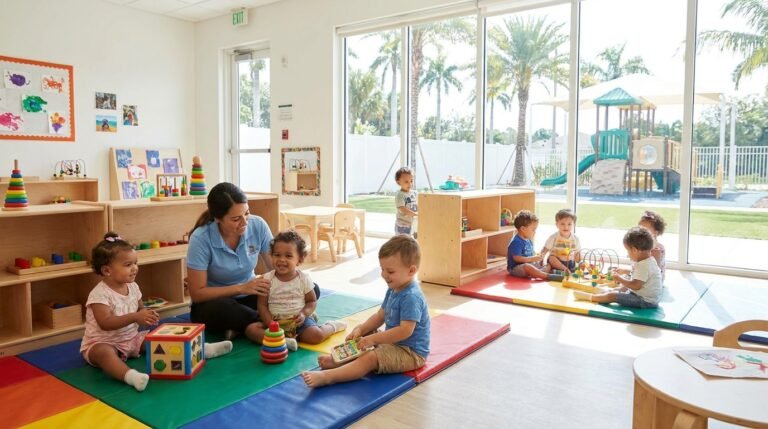

Special Needs Childcare Options in Florida: A Complete Guide
Affiliate links — we may earn a commission
Finding the right childcare for a child with special needs in Florida requires careful research, patience, and knowledge of the resources available. Whether your child has a physical disability, developmental delay, autism spectrum disorder, or other special need, Florida has options designed to provide inclusive, supportive care.
This guide walks you through what to look for, what questions to ask, and where to find financial help — so your child gets the care they deserve.
Types of Special Needs Childcare in Florida
Florida offers several models of childcare for children with special needs, each with different levels of support and specialization.
Inclusive daycares integrate children with and without special needs in the same classroom. These centers employ staff trained in accommodating diverse learning styles and may have occupational therapists or speech-language pathologists on site or on call.
Therapeutic daycares focus specifically on children with developmental disabilities. They typically offer smaller class sizes, specialized curricula, and direct therapy services built into the daily routine.
Early intervention centers serve children from birth to age 3 under Florida’s Early Steps program. These programs provide developmental screenings, family coaching, and targeted interventions that can be delivered in childcare settings.
Home-based specialized care involves licensed family childcare providers who have additional training in supporting children with special needs. This option works well for families who prefer a smaller, more intimate setting.
What to Look for in a Special Needs Daycare
Not every daycare that claims to be “inclusive” has the training and infrastructure to back it up. Here are the key factors to evaluate:
- Staff qualifications: Ask about staff training in disability awareness, behavior management, and specific conditions relevant to your child
- Individualized plans: The center should be willing to develop an Individualized Family Service Plan (IFSP) or work with your child’s existing plan
- Physical accessibility: Check for ADA compliance — wheelchair ramps, accessible restrooms, adaptive equipment, and sensory-friendly spaces
- Therapy integration: Some centers allow outside therapists to come in during daycare hours, which reduces the burden on families
- Staff-to-child ratios: Lower ratios are critical for children who need more individual attention
- Communication: Regular updates, progress reports, and open dialogue with parents about their child’s development
Florida Programs That Help Pay for Special Needs Childcare
The cost of specialized childcare can be significantly higher than typical daycare. Fortunately, Florida offers several assistance programs:
Agency for Persons with Disabilities (APD): Provides Medicaid waiver programs that can cover childcare costs for eligible children with developmental disabilities including autism, cerebral palsy, spina bifida, and intellectual disabilities.
School Readiness Program: Florida’s subsidized childcare program gives priority to children with special needs. Eligible families pay reduced copayments based on income.
Early Steps: Florida’s early intervention program for children birth to 36 months with developmental delays. Services are provided at no cost to families regardless of income.
Children’s Medical Services: Covers therapy and specialized services that can be delivered in childcare settings for children with chronic medical conditions.
Questions to Ask When Touring a Special Needs Daycare
Prepare a list of questions tailored to your child’s specific needs. Here are essential ones to start with:
- What training does your staff have in working with children who have [your child’s condition]?
- How do you handle behavioral challenges or meltdowns?
- Can outside therapists visit my child during daycare hours?
- What is your approach to transitions and sensory overload?
- How will you communicate my child’s daily progress to me?
- What is your emergency plan for children with medical conditions?
- Are you willing to administer medication if needed?
- What adaptive equipment or materials do you have available?
How Florida Law Protects Children with Special Needs in Daycare
The Americans with Disabilities Act (ADA) requires childcare providers to make reasonable accommodations for children with disabilities. In Florida, this means licensed daycares cannot refuse enrollment solely based on a child’s disability unless providing care would fundamentally alter the nature of the program.
Florida’s DCF also requires that childcare facilities develop care plans for children with special health care needs and ensure staff are trained in any specialized procedures required.
Finding the Right Fit Takes Time
Do not settle for the first option. Visit multiple facilities, observe how staff interact with children who have different needs, and trust your instincts. The right special needs daycare will make your child feel welcome, valued, and supported in their development.
Use our Florida daycare directory to search for providers in your area, then call ahead to ask about their special needs accommodations before visiting.
Watch: Related Childcare Tips
Frequently Asked Questions
Are Florida daycares required to accept children with special needs?
Under the ADA, licensed daycare centers cannot discriminate against children with disabilities. They must make reasonable accommodations unless doing so would fundamentally alter the program. However, home-based providers with fewer than a certain number of children may have different requirements.
How much does special needs daycare cost in Florida?
Costs vary widely based on the level of care needed. Specialized therapeutic daycares can cost $1,500 to $3,000 or more per month. However, programs like the School Readiness Program and APD Medicaid waivers can significantly reduce out-of-pocket costs for eligible families.
What is Early Steps in Florida?
Early Steps is Florida’s early intervention program for infants and toddlers (birth to 36 months) with developmental delays or established conditions. It provides free evaluations, therapy services, and family support regardless of income level.
Can my child receive therapy at daycare?
Many Florida daycares allow outside therapists to provide services on-site during daycare hours. This arrangement reduces scheduling conflicts for working parents. Ask the daycare about their policy before enrolling.
How do I know if my child qualifies for special needs childcare assistance?
Eligibility depends on the specific program. APD serves children with specific developmental disabilities. The School Readiness Program is income-based with priority for special needs children. Contact your local Early Learning Coalition for a personalized assessment.
Explore More

Trusted Developer
Contributing writer covering Find Licensed Childcare Near You.